
- Home
- About Us
- Programmes
- Success Stories
-
News & Reports
- Gallery
- Contact Us
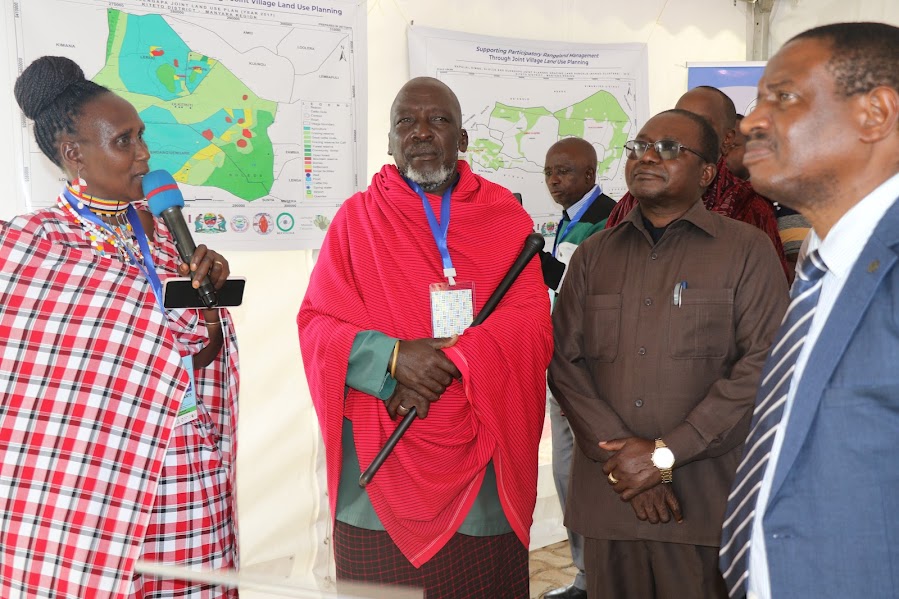
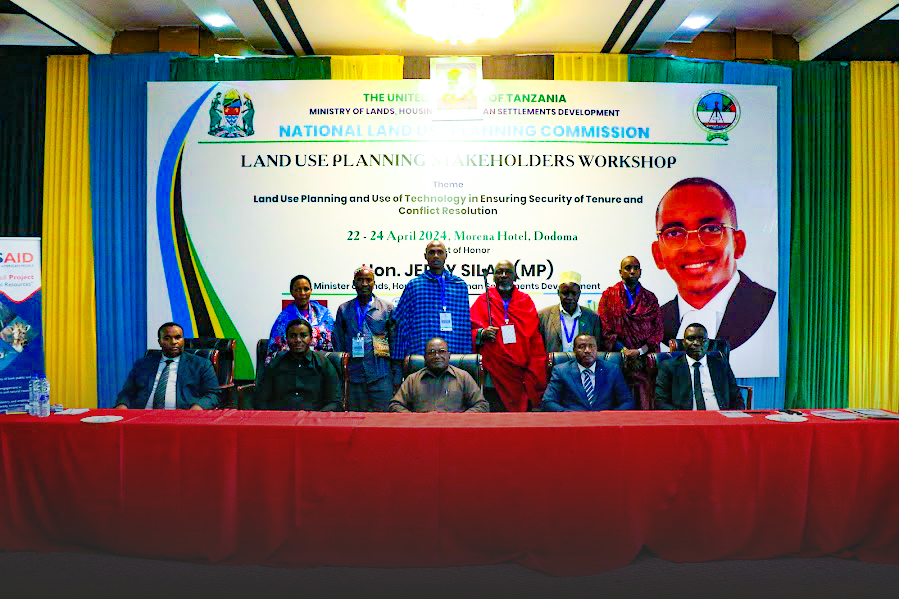
In April 2024, the National Land Use Planning Commission (NLUPC), with support from the CGIAR Research Initiative on Livestock and Climate led by ILRI, organised a national Land Use Planning Stakeholders' Workshop in Dodoma City.
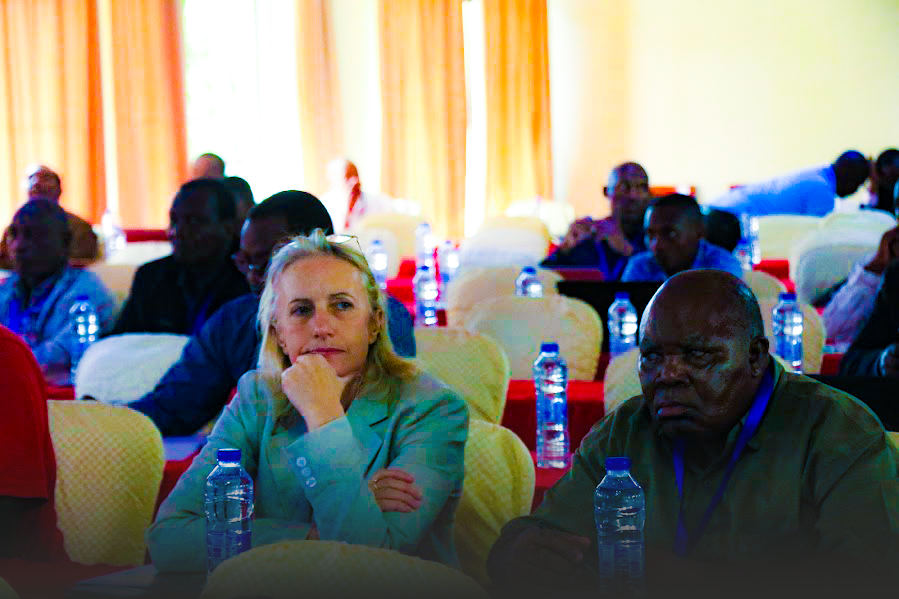
The event brought together experts and representatives from diverse sectors to share perspectives on critical land use planning issues — and to validate three key national guidelines that will shape Tanzania's land governance for years to come.
The guidelines covered: the Joint Village Land Use Planning (JVLUP) Guideline; an updated version of the National Participatory Land Use Planning Guidelines incorporating JVLUP; and a guideline on the Role of Technology in Securing Land Tenure and Resolving Land-Related Conflicts.
This theme reflected a shared national commitment to integrating modern tools with participatory approaches — ensuring that land governance becomes more transparent, accessible, and just for all Tanzanians, including pastoralists, smallholders, and rural communities.
A dedicated guideline for implementing JVLUP — enabling multiple villages that share natural resources to plan and manage land collaboratively across administrative boundaries.
A revised edition of Tanzania's national PLUP guidelines, updated to formally incorporate Joint Village Land Use Planning as a recognised planning modality.
A practical guideline on deploying digital tools — including the National Land Use Information System (NLUIS) — to issue CCROs, prepare Village Land Use Plans, and resolve land-related disputes.
As part of its commitment to addressing climate-related challenges in pastoral and livestock systems, KINNAPA Development Programme — with support from ILRI under the Livestock and Climate Initiative — participated actively in the workshop, bringing field-level expertise from their PJVLUP implementation in Kilosa District.
The workshop gave KINNAPA a platform to share perspectives on securing land tenure and reducing land-related conflicts among communities, directly aligned with their mission of building resilient livelihoods. This engagement also deepened KINNAPA's collaboration with a broader national network of stakeholders.
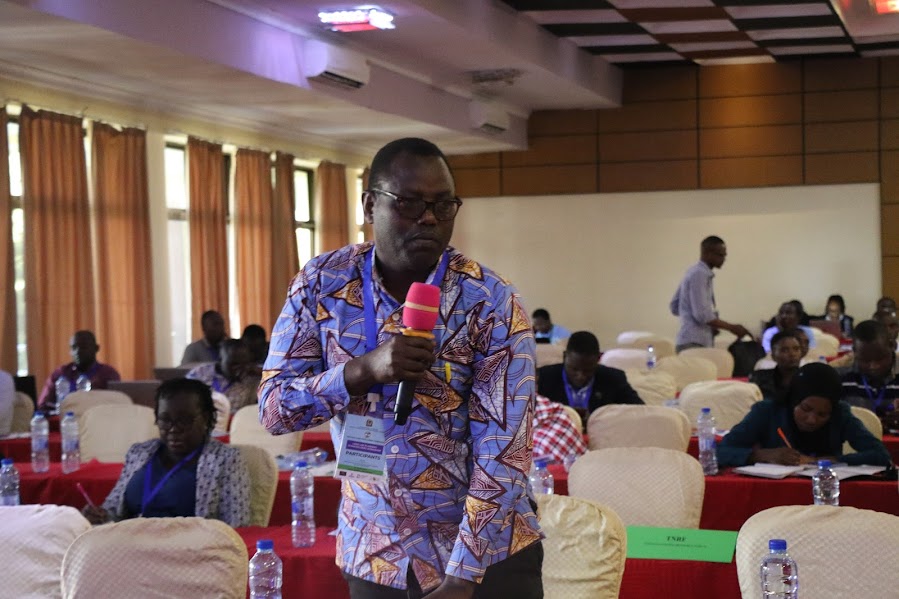
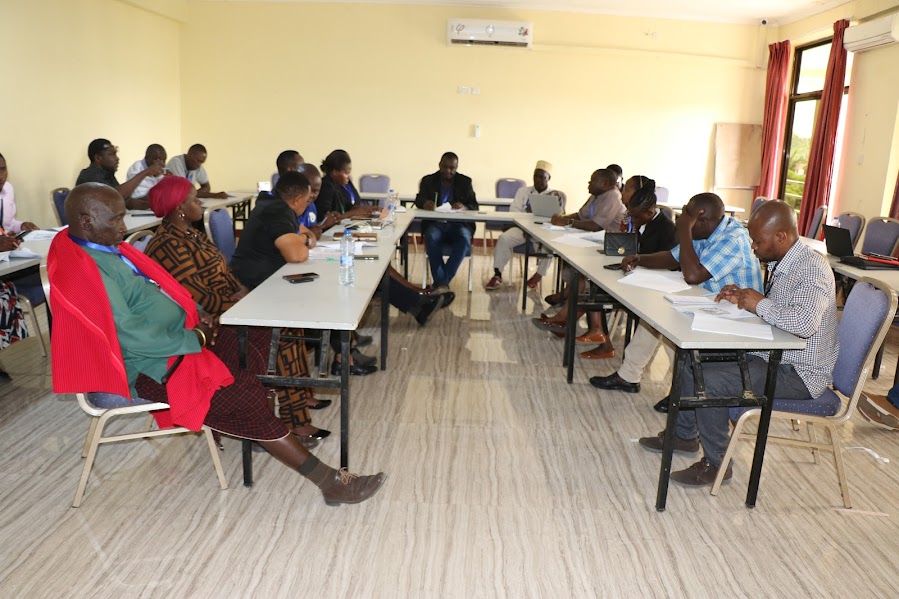
The workshop convened representatives from public and private institutions, civil society organisations, and community groups in areas targeted for land use plan development. By close of the event, participants had gained substantially improved understanding of land governance frameworks — enabling more informed decision-making on land allocation and management.
Practical insight into using NLUIS to prepare Village Land Use Plans and issue CCROs — enabling participants to apply digital tools in their own districts.
Structured procedures for planning and managing land uses, alongside strategies for resolving boundary, ownership, and land use conflicts.
Greater coordination fostered between government agencies, local authorities, and civil society on shared challenges — fragmentation, unclear tenure, and environmental degradation.
All three national guidelines — JVLUP, updated PLUP, and the Technology for Tenure guideline — were validated by participants and taken forward for official finalisation.
"When technology meets community participation, land governance becomes a tool of empowerment — not just administration."— KINNAPA Development Programme · Land Use Planning Stakeholders' Workshop, Dodoma 2024
KINNAPA continues to apply the insights from this workshop in its field implementation of Participatory Joint Village Land Use Planning — ensuring that communities across Tanzania have access to the tools, rights, and frameworks they need to protect their land and their livelihoods.
Land Use Planning Workshop · Dodoma · 2024