
- Home
- About Us
- Programmes
- Success Stories
-
News & Reports
- Gallery
- Contact Us
Building climate-resilient livestock systems and sustainable land-use through community-led planning in rural Tanzania.
ILRI–KINNAPA Partnership
Village Clusters — JVLUP
Land Use Planning Processes
Multi-Stakeholder Sessions
The Livestock Climate and Systems Resilience Initiative is implemented in Tanzania by the International Livestock Research Institute (ILRI) in partnership with KINNAPA, a local NGO based in Kiteto District.
Our mission is to strengthen the resilience of local livestock systems and promote sustainable climate-smart agriculture — empowering pastoralist communities to adapt to changing environments while safeguarding shared natural resources.
.webp)
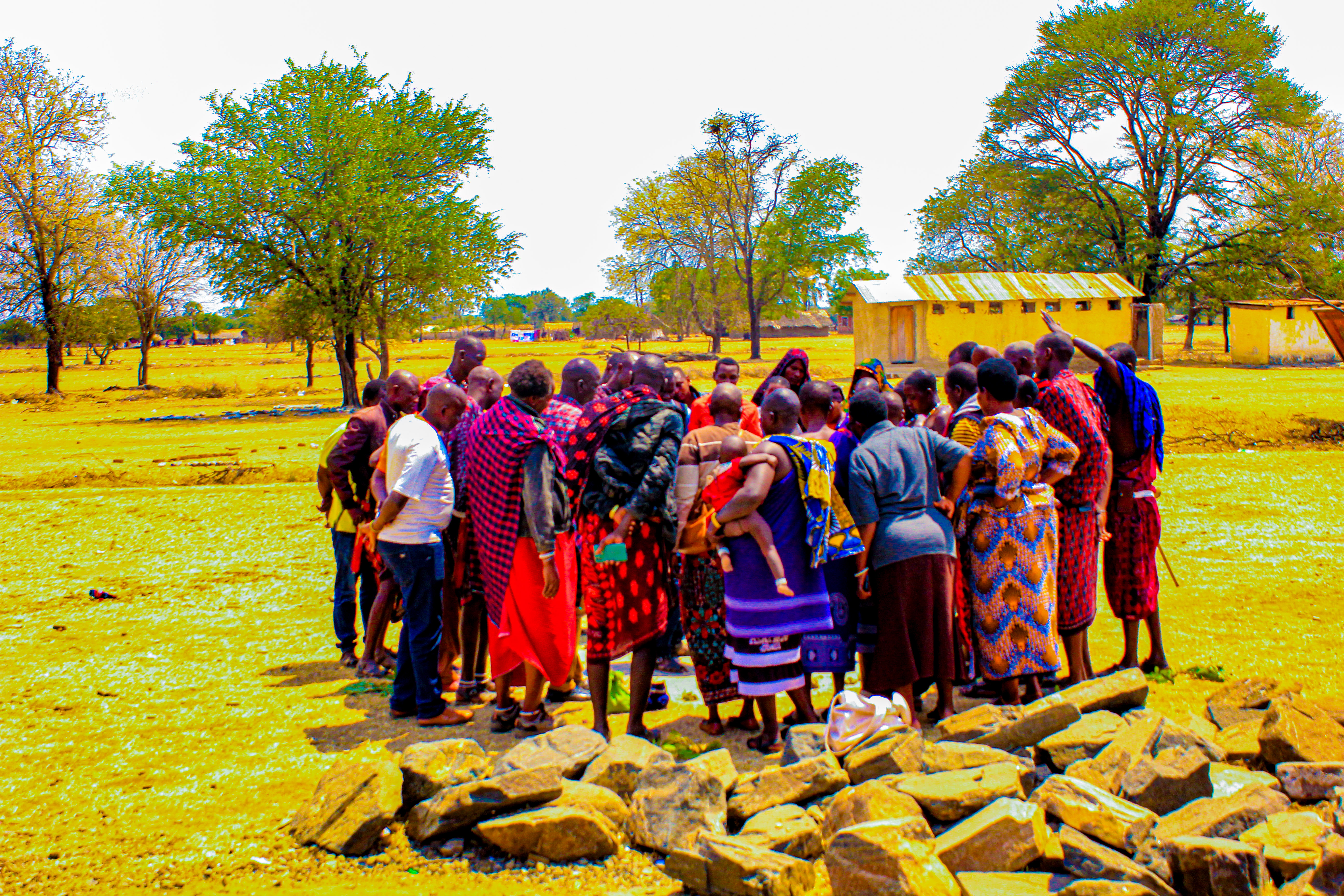
The centrepiece of this initiative is Joint Village Land Use Planning (JVLUP) — a process where neighbouring villages collectively define boundaries, allocate grazing lands, protect water points, and plan livestock corridors.
JVLUP brings structured, community-endorsed agreements that reduce conflict, protect forests, and ensure critical natural resources are managed sustainably across village boundaries.
What JVLUP Secures
Communal grazing lands spanning multiple village boundaries are secured through collective land-use agreements.
Communities jointly allocate water points, livestock corridors, and forest reserves for sustainable access.
Clear, community-endorsed boundaries and resource-sharing frameworks promote harmony across villages.
Community-led stewardship ensures critical natural resources are preserved for future generations.
Engaging villages in multi-stakeholder planning forums to build shared ownership over land and livestock decisions.
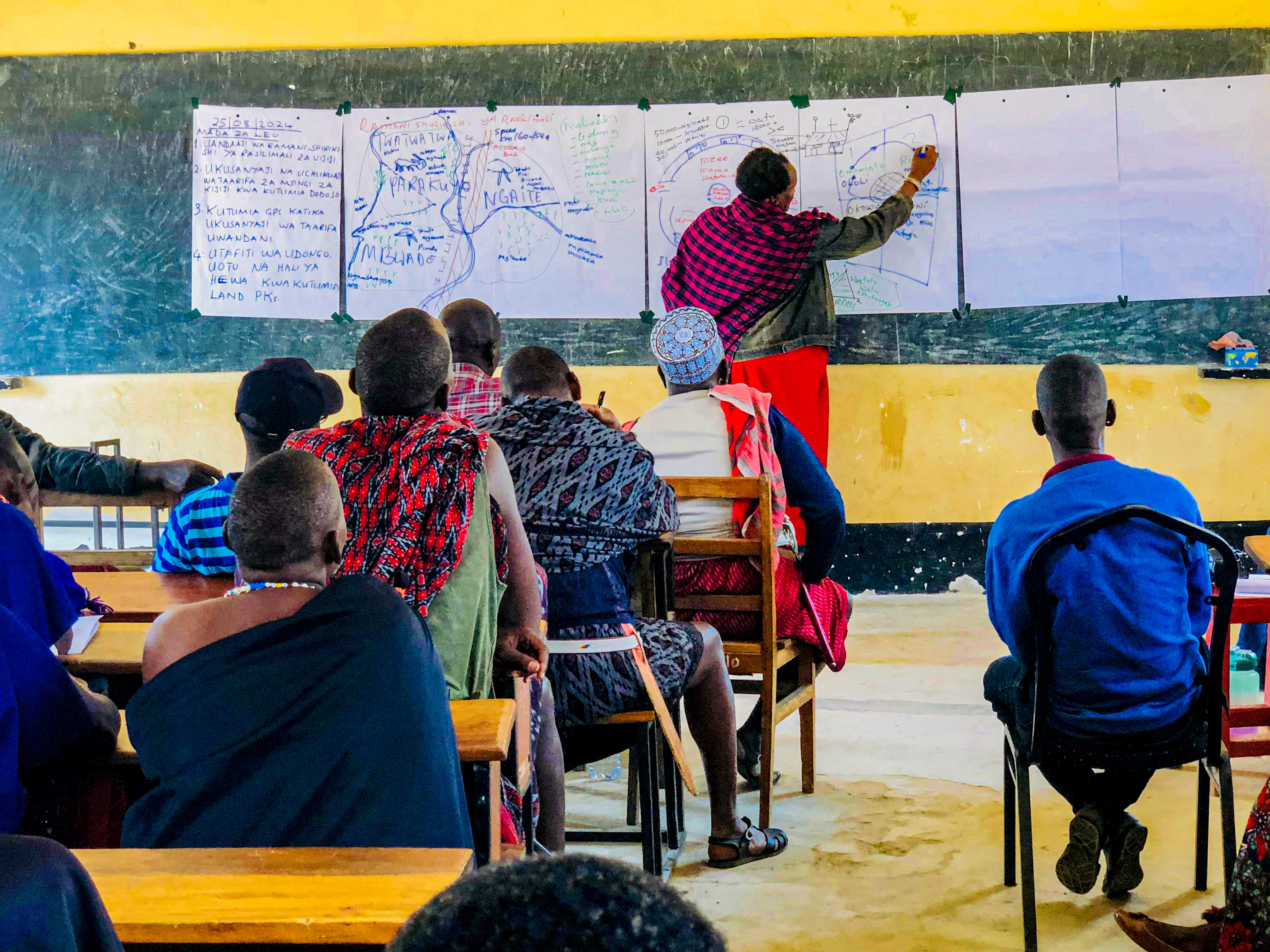
Community-led mapping processes define resource boundaries and capture traditional land-use knowledge.
Training local leaders and pastoralist groups for sustainable, long-term grazing and resource management.
Structured inter-village agreements reduce disputes over grazing areas, water points, and livestock routes.
Building community knowledge and plans to respond to climate variability and environmental shocks.
Advocating for pastoralist land rights and sustainable livestock governance at district and national levels.
How We Create Lasting Change
The initiative operates through collaborative, community-led processes that prioritise local ownership. Communities themselves drive the decisions that shape their lands, herds, and futures.
Formalising inter-village agreements to give communities lasting protection over grazing areas and water sources.
Integrating pastoralist knowledge systems with modern land governance frameworks suited to local realities.
Addressing livestock, land, climate, and community cohesion as an interconnected system — not isolated issues.
Combining ILRI's global livestock research expertise with KINNAPA's deep local presence in Kiteto District.
Impact & Results
KINNAPA's Livestock, Climate and Systems Resilience work is made possible through strategic collaboration with research institutions and local government.
International Livestock Research Institute
Lead Research PartnerKiteto District, Tanzania
Local Implementation PartnerManyara Region, Tanzania
Government Partner